HowTo Network emblem How To: Gaming THE HOW TO CO. — EDITION 10
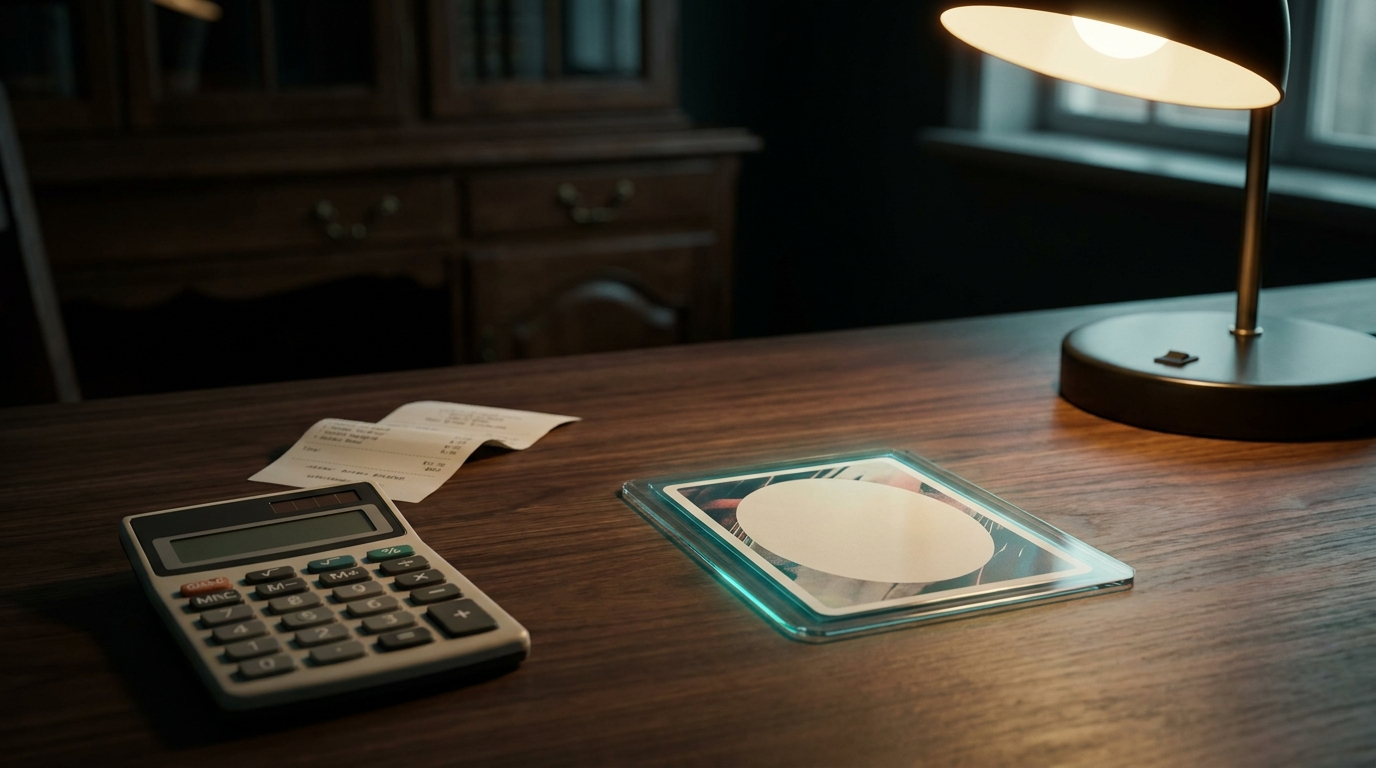
A single sleeved card on a desk beside a calculator and receipt under lamplight

● GRADING · CHAPTER 07  —  ROUTE 01 · DECIDE

SHOULD YOU
GRADE IT
the honest math.

Before you send a card to be graded, run the numbers. The honest break-even, how to read your own card's flaws, and when a raw card is simply worth more.

▸ THE BREAK-EVEN LEDGER

Before the grade there is a bill. Four lines decide whether a card should ever leave your desk.

THE BILL, LINE BY LINERUNNING TOTAL
$25

The grading fee

PER CARD · CHEAPEST TIER

The lowest common tier, one card. Faster turnaround and a higher declared value both cost more — often several times more.

RUNNING$25
$14

Shipping, both ways

OUT AND BACK

Tracked in each direction, packed properly. It splits kindly across a stack of twenty. On a single card it is brutal.

RUNNING$39
$4

Insurance

DECLARED VALUE

A small percentage to cover the card in transit, on both legs of the trip. Skipping it is how people lose the card and the fee at once.

RUNNING$43
45

Days of waiting

TYPICAL, NEVER PROMISED

Not money, but a cost all the same. The market keeps moving while your card sits in a queue, and you cannot sell what you cannot hold.

RUNNING$43 + 45 DAYS
$43

Cost in, before a grade exists

+ 45 DAYS

That is what you have spent before anyone has even looked at the card. You still do not know the number that will end up on the label.

RUNNING$43 TOTAL
A card held up to the light while the sums are still on the desk
×3

The multiple a grade has to beat

A slab has to add more than the bill, not just more than nothing. A card near the bottom of the scale has to roughly triple in value just to break even. Cards already worth hundreds clear that easily. Most cards never will.

THE MULTIPLE A GRADE MUST CLEAR, AGAINST THE $43 BILL
×10×5×3×1 ×2 $5$20$60$150$400 RAW VALUE OF THE CARD → the slab loses money $43 · BREAK-EVEN ×2 — WHAT A STRONG GRADE TYPICALLY ADDS ×10×5×3×1 ×2 $5$20$60$150$400 RAW VALUE OF THE CARD → the slab loses money $43 · BREAK-EVEN ×2 — WHAT A STRONG GRADE TYPICALLY ADDS
UNDER THE LINEWhere nearly every card you own actually sits. The bill eats the gain, and the card is worth more raw — sleeved, readable, in your hands. OVER THE LINEFew cards, real money. Here a grade pays for itself and then some, which is exactly why grading looks so profitable from the outside.

Every figure above moves with the grader, the tier, and the week you send. Run it with your own numbers and the answer usually arrives before you finish. The three steps below are that arithmetic, slowed down.

Three steps to a decision.

MATH → CARD → CALL.  NONE OF IT COSTS ANYTHING YET.

01

STEP 01 · THE MATH

Run the Break-Even.

Fee, shipping, the wait, and the odds you are wrong about the grade. Most cards fail this before you spend a cent.
READ
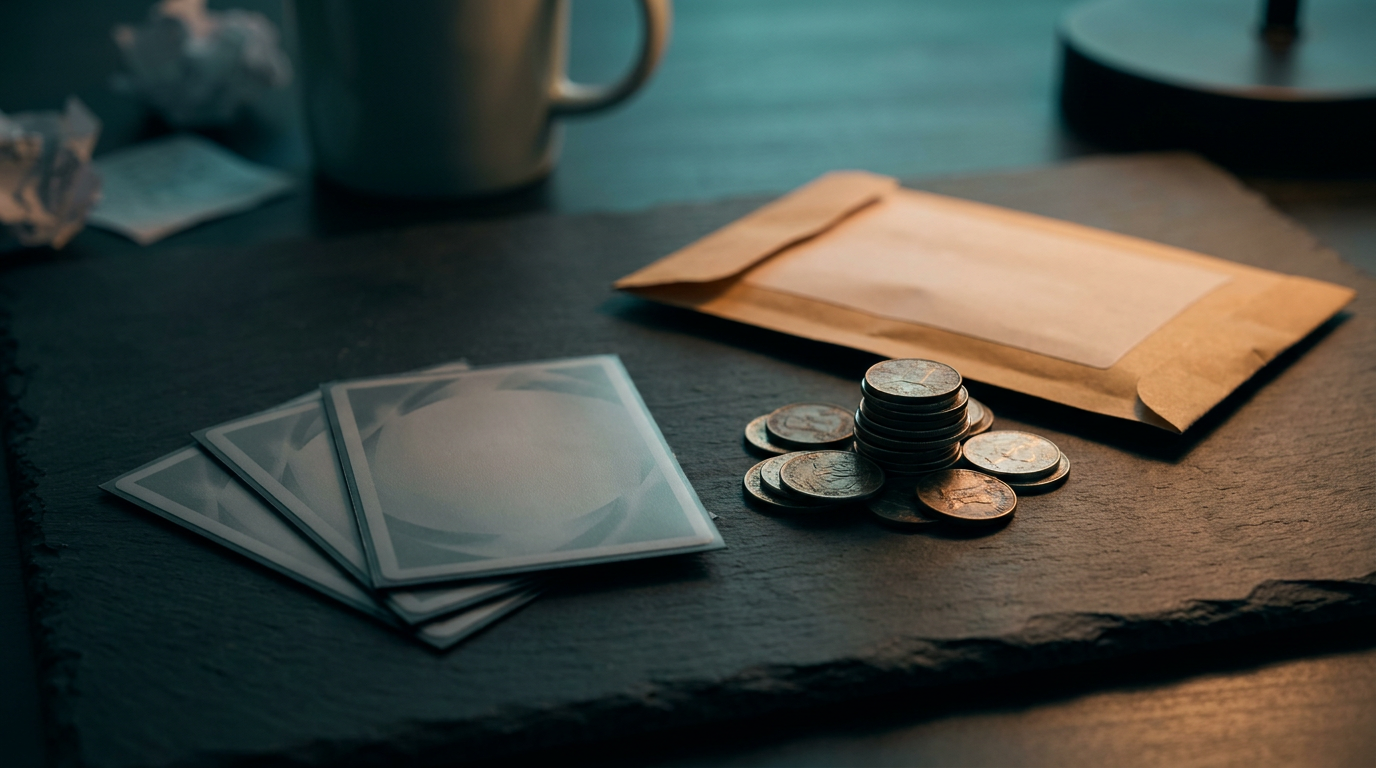
Sleeved cards beside stacked coins and a shipping envelope
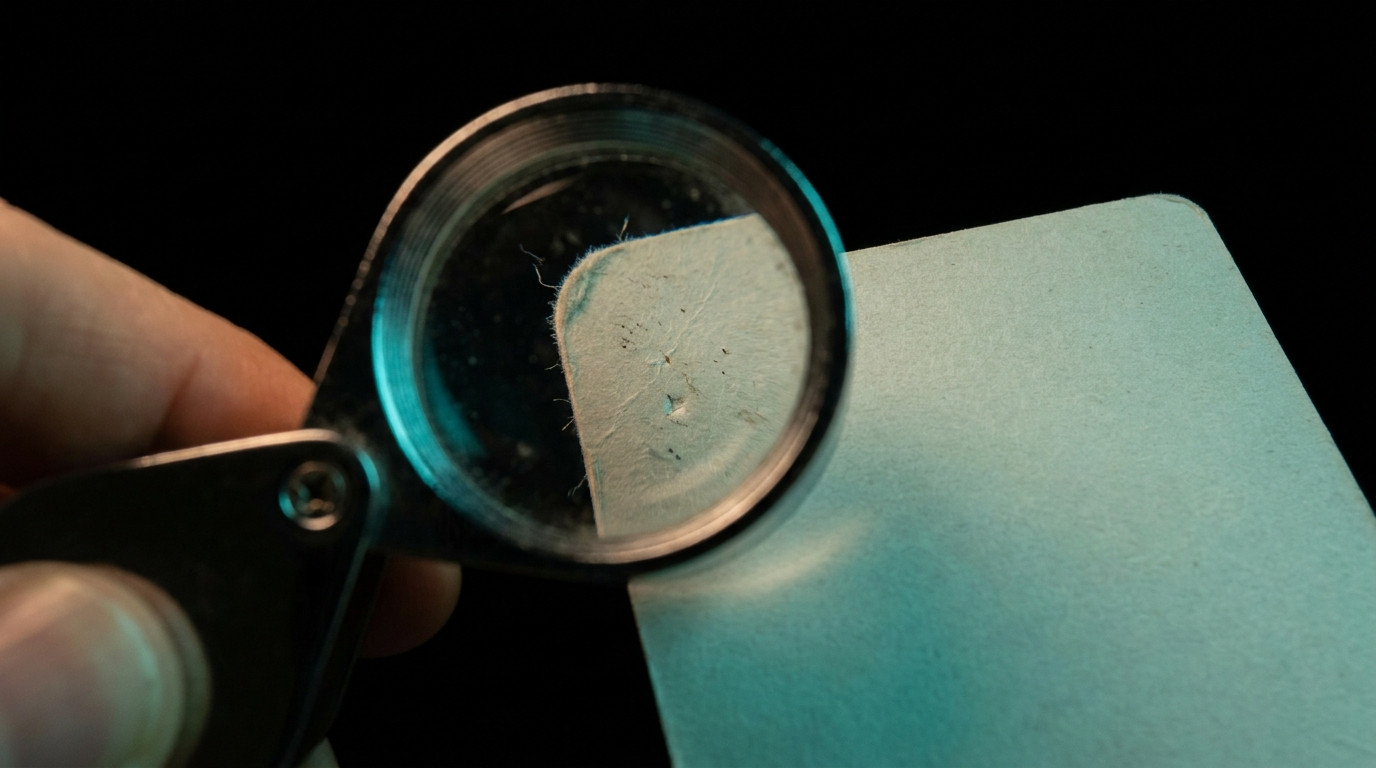
A loupe magnifying the corner of a trading card
02

STEP 02 · THE CARD

Read the Card Honestly.

Centering, corners, edges, surface. Learn to see the four things a grader sees before you pay them to see it.

READ
03

STEP 03 · THE CALL

When Raw Wins.

Plenty of cards are worth more loved than sealed. Here is when keeping it raw is the smarter, cheaper answer.

READ
An open binder page of sleeved cards under warm lamplight
An archivist's desk with cards sorted into two groups

▸ FROM THE ARCHIVIST · IAN

"The break-even isn't the fee. It's the fee, the shipping, the wait, and the odds you're wrong about the grade."

READ: HOW TO KNOW WHEN TO SLAB A CARD →
A hand holding a card up into a beam of lamplight

▸ THE ONE HONEST QUESTION

A slab cannot make a card better. It can only tell strangers how good it already was.

The whole decision

STEP-BY-STEP · MORE ADDED AS THIS ROUTE GROWS

Six more guides on this route are in production.

Sleeved cards beside stacked coins and a shipping envelope NEXT ROUTE · LIVE Continue to PSA A loupe magnifying the corner of a trading card THE ALTERNATIVES · LIVE Or compare CGC & the others
Pull Rate ▸ PULL RATE · THE COMPANION BOARD Grading starts with the price. See what a card did today, before you send it in. CHECK THE BOARD →