 How To: Gaming
THE HOW TO CO. — EDITION 10
How To: Gaming
THE HOW TO CO. — EDITION 10
How To: Gaming
THE HOW TO CO. — EDITION 10
How To: Gaming
THE HOW TO CO. — EDITION 10
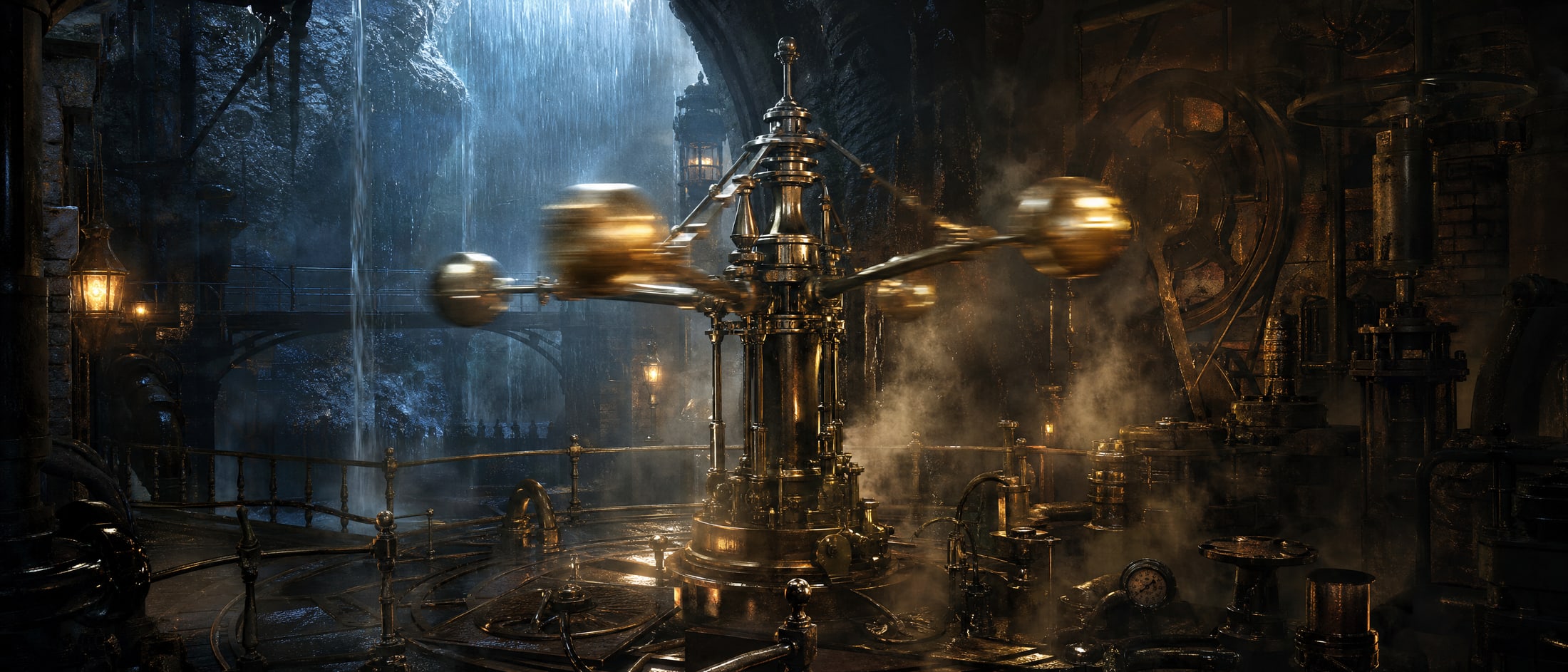
A machine that holds one rate feels better than a machine that reaches a higher one and cannot stay there. Everything below follows from that.
◆ WHAT A GOVERNOR IS FOR
It does not make the engine faster. It makes the engine keep one speed — and that is the harder of the two jobs.
THE ONE RULE
A lower delivery you can predict disappears within a minute of playing. A higher one that keeps flinching never does, because you are being asked to learn a timing that will not sit still long enough to be learned.
Which is why the figure in the corner of the screen is close to the least useful thing on it.
◆ THREE READINGS OF ONE MACHINE
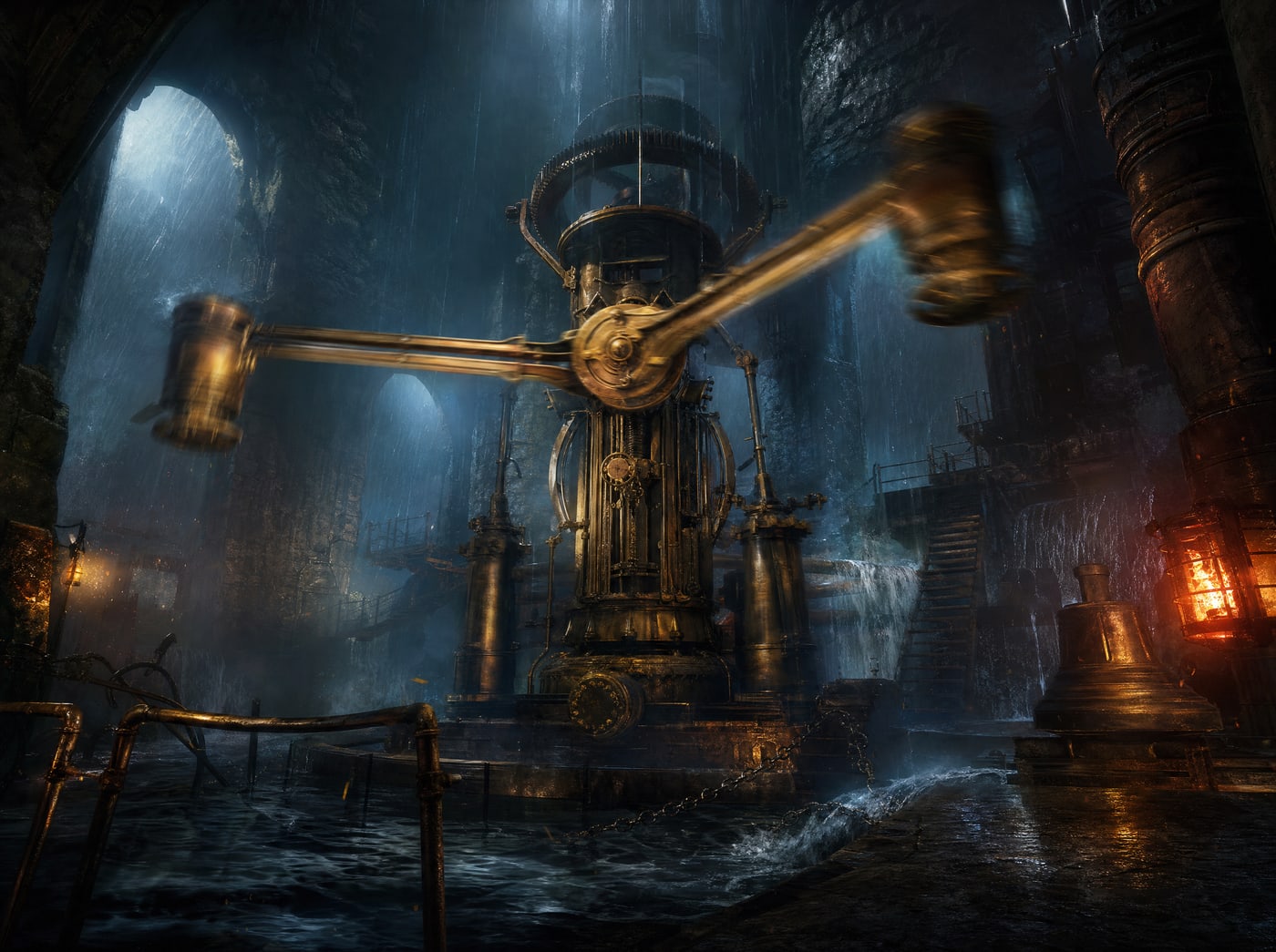
The arms are out and level. Nothing here is trying to go faster than this.
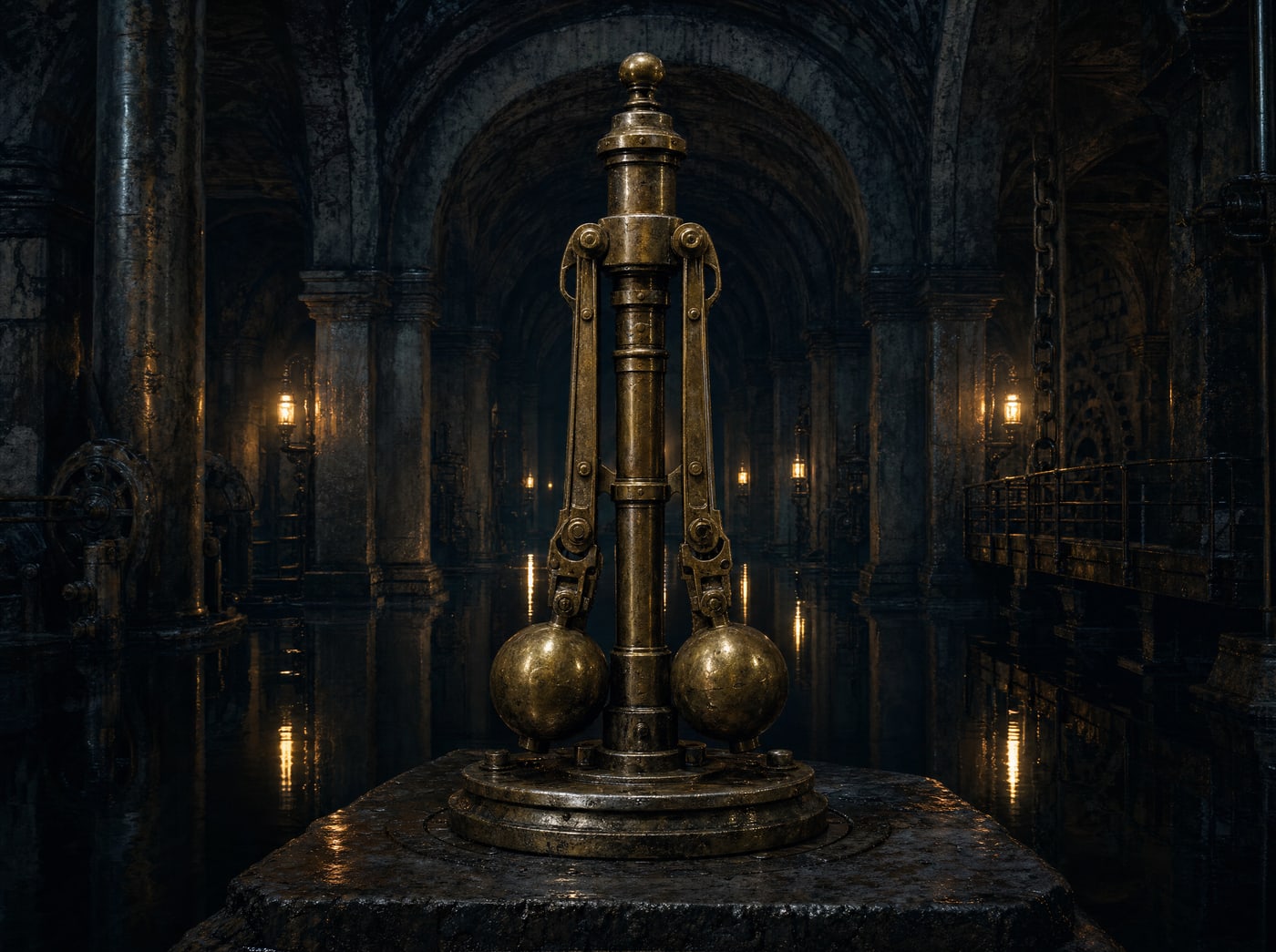
The same machine, standing. It is not slow. It is simply not holding anything.
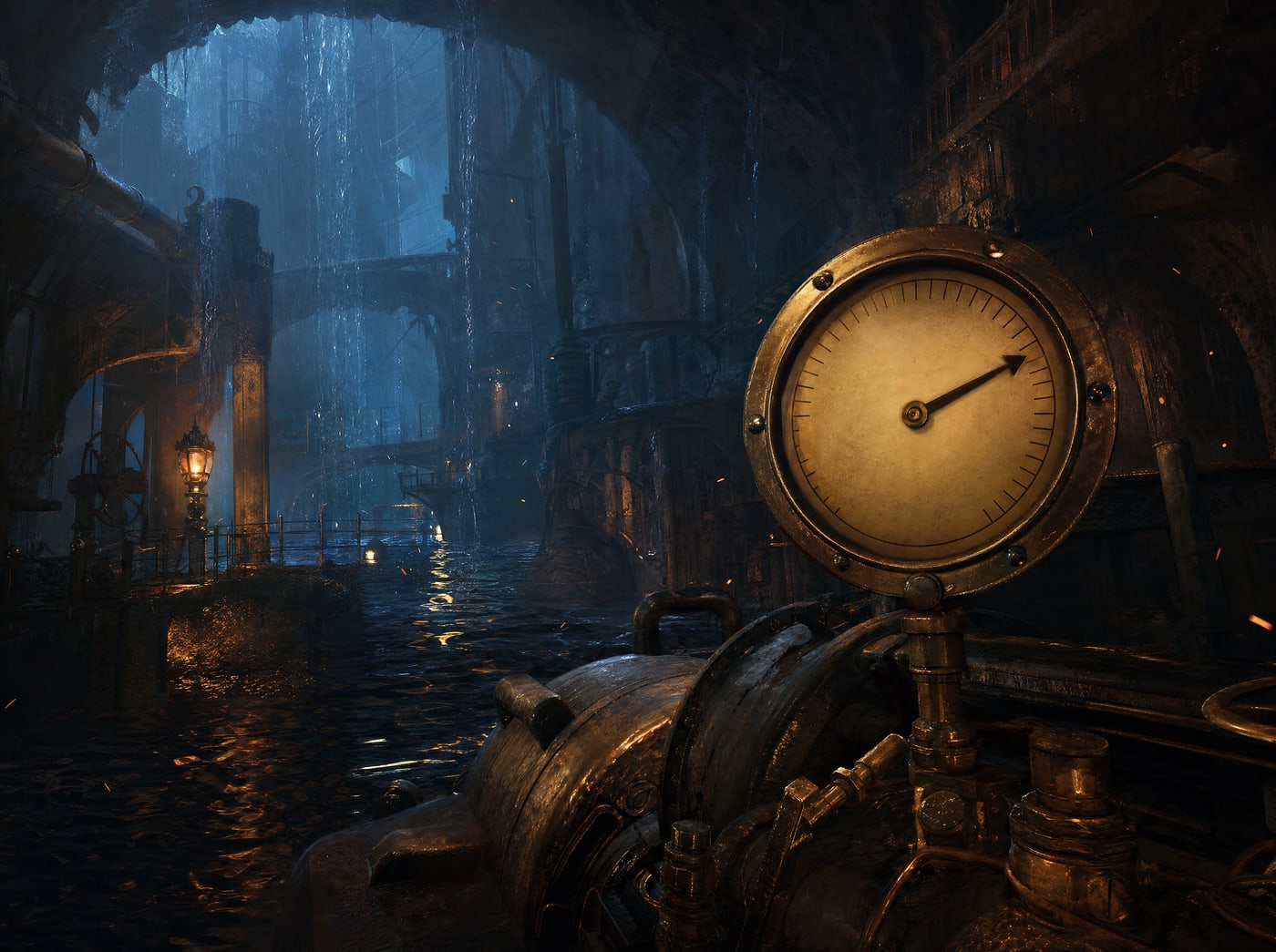
Needle hard over and perfectly steady. The face has nothing written on it.
◆ THE FACE IS BLANK ON PURPOSE. NOTHING HERE QUOTES A FIGURE — EVERY NUMBER WORTH REPEATING WAS TAKEN ON SOMEBODY ELSE’S MACHINE, ON A NIGHT THAT HAS PASSED. THE MECHANIC TRANSFERS; THE READING DOES NOT.
Upstairs this was one column of a table covering three whole faults. Here it is only the frames, and only the half of the frames that is about holding a rate rather than reaching one.
“The counter is high and the picture still swims.”
An average is arithmetic, not experience. You feel the worst frame in the second; the counter shows you all of them added up and divided, so one long stall inside a good second simply disappears from it.
Judge by the bottom of the range, and by how narrow the range is. Not by the big figure.
“Everything looks fine and the aim feels heavy.”
Smoothness and answering are two different measurements, and the first can be bought with the second. A machine allowed to work far ahead hands you an even picture that was already decided before you moved.
Shorten how far ahead it may work, and switch off anything that has to hold a finished frame back in order to do its own job.
“I put a ceiling on it and the whole thing felt better.”
That is the governor working, and it is the least intuitive line on this page. A ceiling the machine holds on every single frame beats a peak it reaches on some of them, because an eye can learn a rhythm and cannot learn a lottery.
Set the ceiling under your worst sustained rate, not near your best. A machine that never has to fight never has to stumble.
“It measures well and tears in half when I turn quickly.”
That is not the machine failing to make frames. That is a finished frame arriving while the screen is still halfway through showing the last one. The work was done; the handover was not agreed on.
This one is fixed at the handover, not in the workload. Look at how frames are given to the screen before you cut anything the machine is drawing.
◆ WHERE THIS PAGE STOPS
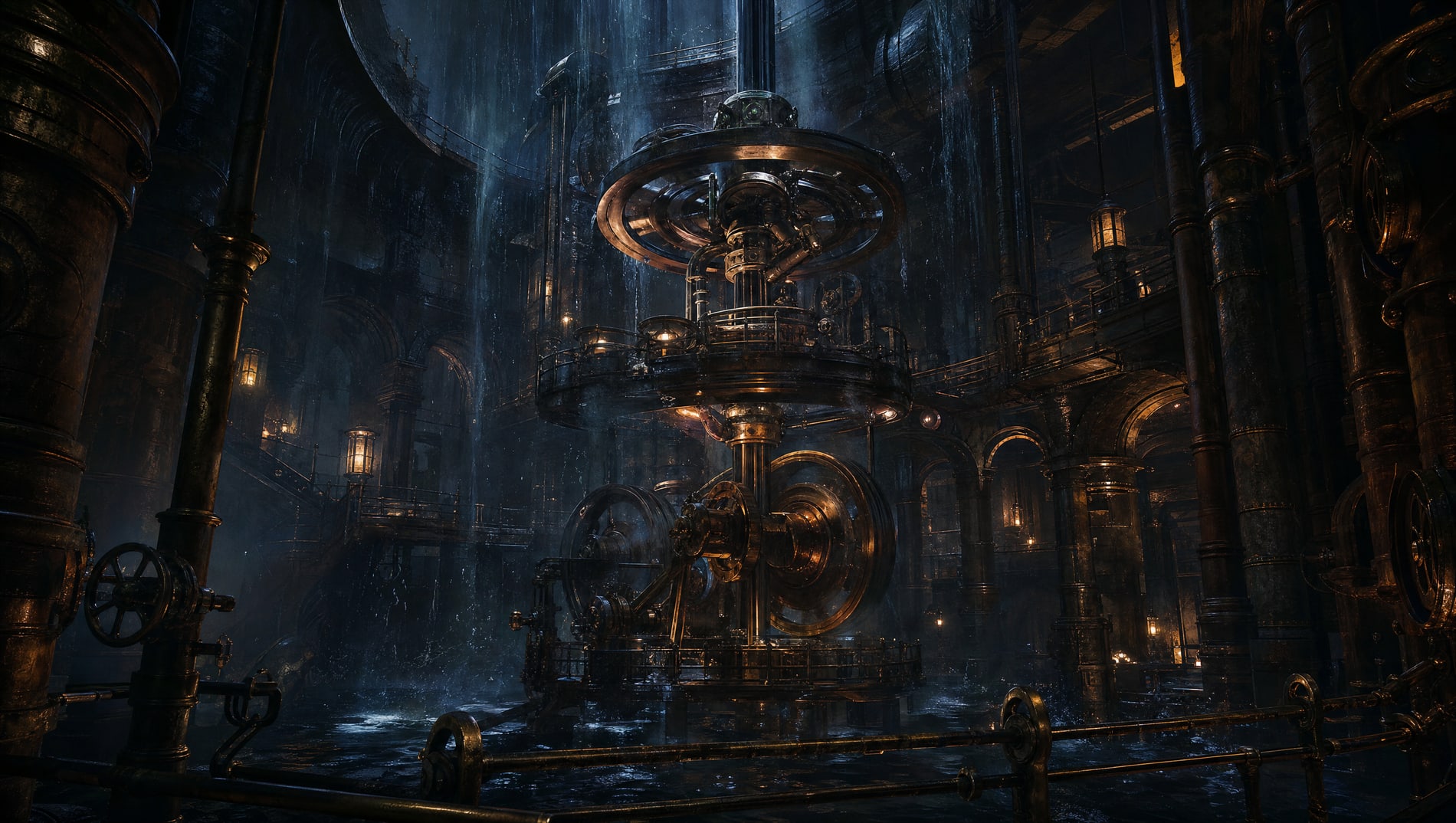
This page is one hall: the machine in front of you, drawing. If the hall is turning and the picture still stumbles, the fault is past the last bearing — and not all of that is yours.
Turn down what the machine has to think about before what it has to paint — then stop. Past a point you are trading picture away for frames you already had.
The one honest, linear cost on the list: every pixel is painted again for every frame. The largest lever you own, and the last one anybody reaches for.
Seeing further does not enlarge the picture, it enlarges the list of things that have to be considered at all. It punishes the thinking half far harder than the painting half.
A light that only brightens is cheap. A light that must work out everything it cannot reach is a second pass over the whole scene, every frame, for every one of them.
Cheap in its light forms, merely expensive in its heavy ones. Rarely the reason a rate is falling apart, and almost always the first casualty anyway.
A pass over an image that already exists is a toll of the same size every frame. It will not make delivery uneven — but it can make your hands feel late.
Detail loaded once and then sat on costs memory, not work. If it fits you may look at it all session; if it does not fit, you feel that as hitching, never as a lower rate.
The classic sacrifice, made in a bad mood, at midnight. It is not competing for the part of the machine that is struggling, and it never was.
GUIDES BEING WRITTEN FOR THIS PATH
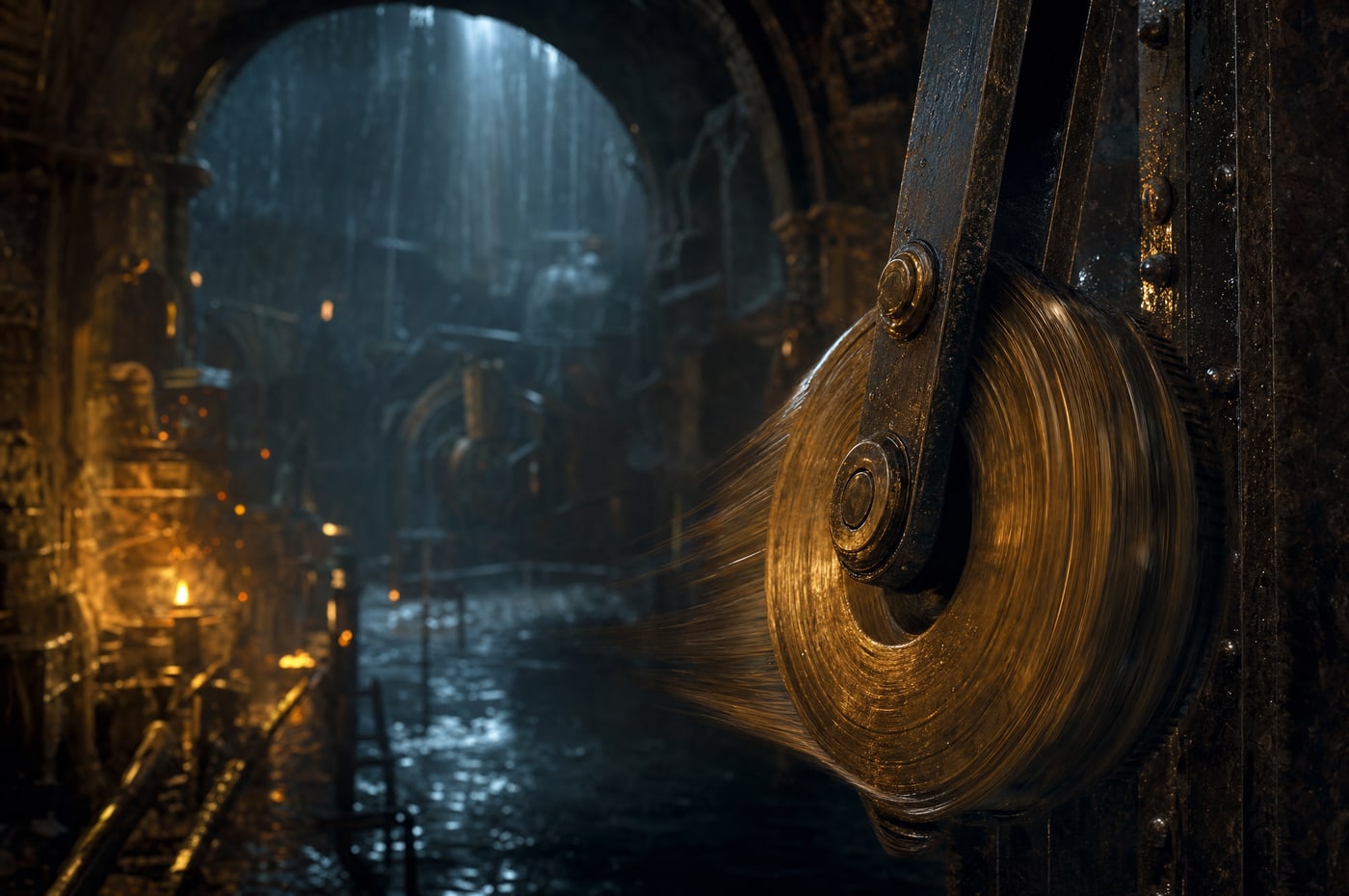
“Look at where it is sharp. The frame is bolted down and the weight is a smear, and that is not a flaw in the picture — that is the machine doing its job. Nobody ever remembers a peak. They remember the night it never once flinched.”