 How To: Gaming
THE HOW TO CO. — EDITION 10
How To: Gaming
THE HOW TO CO. — EDITION 10
How To: Gaming
THE HOW TO CO. — EDITION 10
How To: Gaming
THE HOW TO CO. — EDITION 10
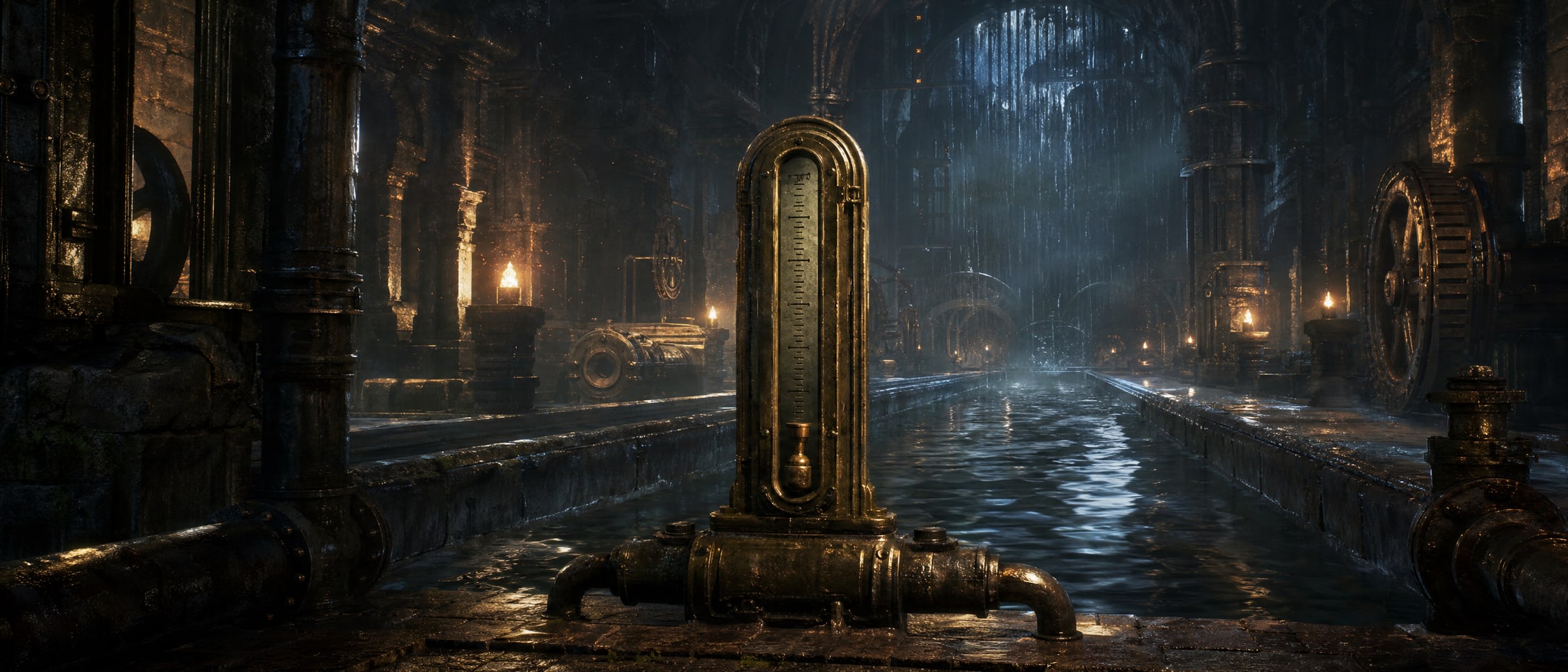
Everything between your hands and the far end is one long channel. When the game feels late, a single length of it has already gone wrong — and every length after that one will look wrong too.
◆ HOW TO USE THIS PAGE
Walk it outward from your own hands. Stop at the first station where the answer is yes, and do not walk on.
WHY THE ORDER IS THE WHOLE METHOD
Start at the far end and you will find something a little wrong, because there is always something a little wrong out there. So you will change it, nothing will improve, and now you have two suspects instead of one.
Start at your own hands instead. The first yes you reach is the answer, not the first of several.
◆ THREE THINGS THAT FEEL IDENTICAL
In a game all three arrive as one complaint: it is not doing what I told it to. In the channel they are three different pictures, and the repair for any one does nothing at all for the other two.
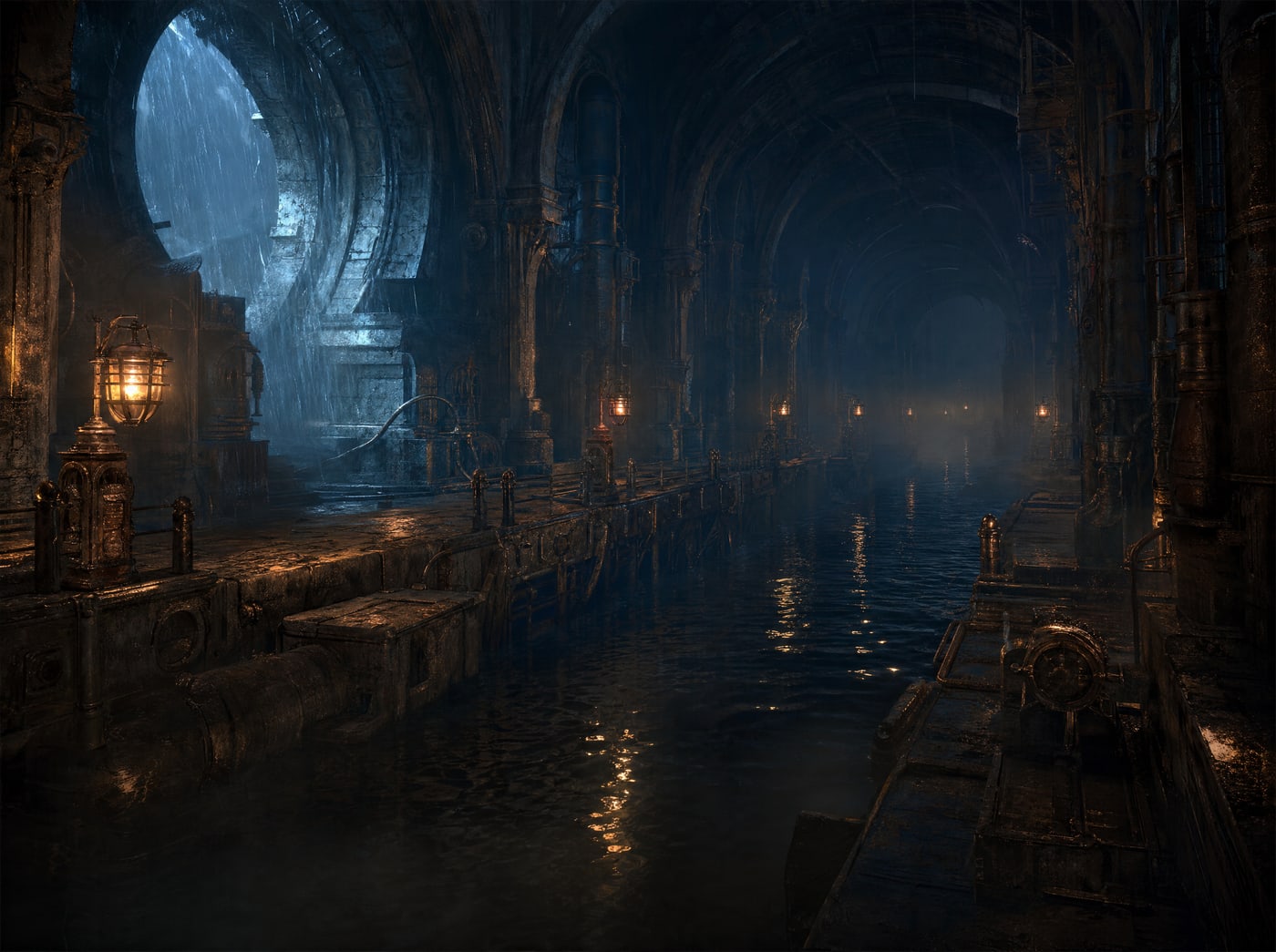
THE CHANNELThe water is moving and it is clean. The run is simply long, and the far end is genuinely far.
THE GAMEEverything you asked for happens, a beat after you asked. Consistent, learnable, survivable. You can play around this one.
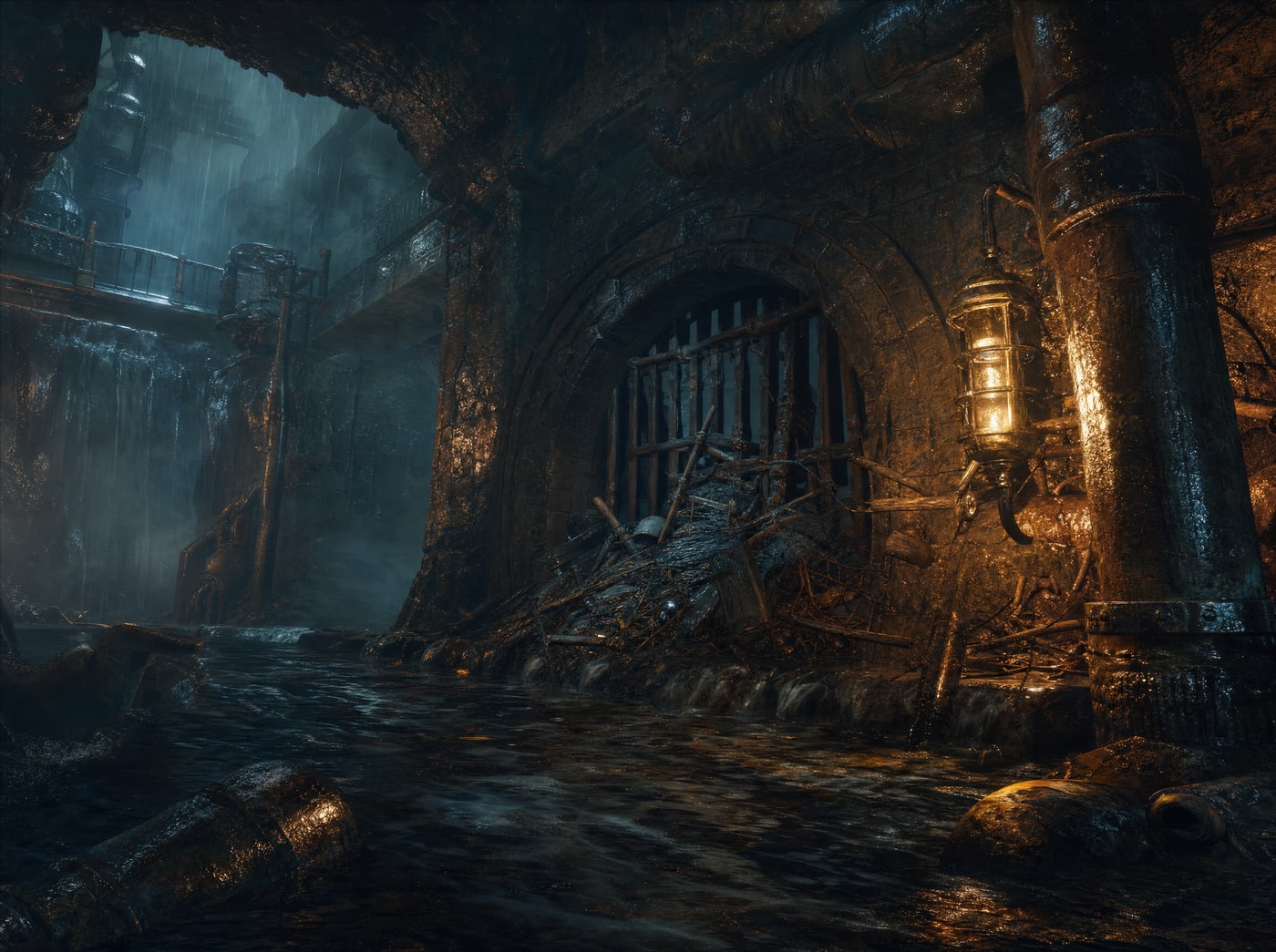
THE CHANNELSomething across the mouth lets most of it through and holds the rest back. What passes is fine. What does not is not late — it is gone.
THE GAMEPeople appear where they were not, shots do not register, and the game quietly rewrites what happened. This is the one that feels unfair.
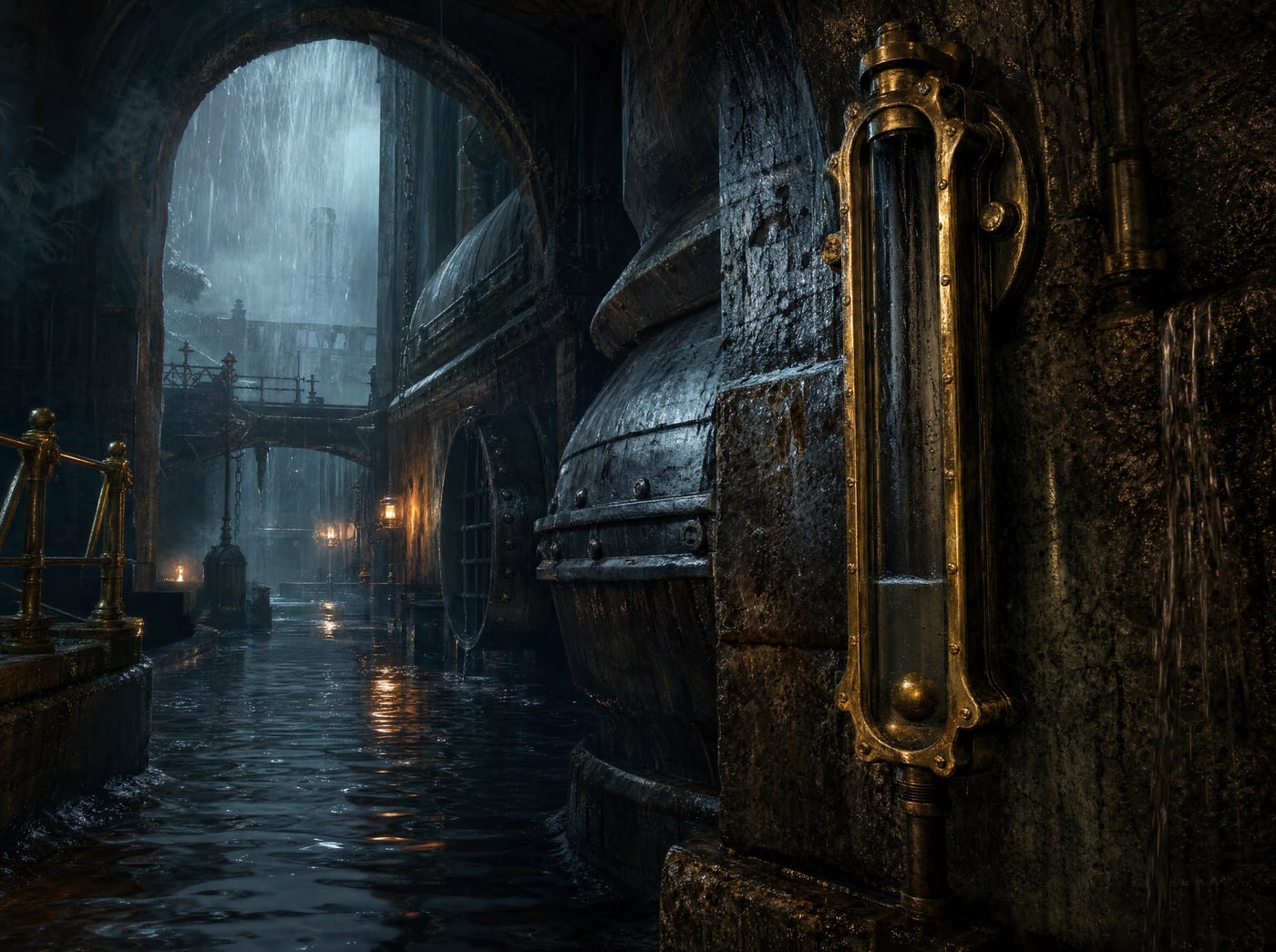
THE CHANNELThe channel is fine. The float sits low because the valve at your own end never opened properly.
THE GAMEThe menus feel heavy too. So does everything else. It was never a connection problem, and no connection fix will touch it.
◆ LATE AND LOST BOTH LIVE OUT IN THE CHANNEL. STALLED NEVER LEAVES THE ROOM — WHICH IS WHY THE WALK BELOW STARTS THERE.
Do the test. Read the answer. Walk on only if it is no. Nothing on this run costs money, and nothing on it needs a second person.
◆ SOLID MARKERS ARE INSIDE YOUR WALL AND YOURS TO FIX. HOLLOW ONES ARE NOT.
the room you are standing in
Play something that needs nobody else, or just push the pointer around a menu. Does that feel heavy too?
No connection fix will help, because none of this ever reached the water. Look at the screen, at whatever the controller talks to, and at what runs behind the game.
everything else you left open
Restart. Open the game and nothing else at all. Play a full round before you open one other thing.
Something was taking the lane — a download, an update finishing quietly, a capture or overlay tool. Put them back one at a time until it returns.
your machine to the box on the wall
Run a cable for one night. If the room will not allow it, sit beside the box and play the same mode.
This short hop is the commonest source of uneven arrival in a home, and the one entirely inside your control. Fix it here and stop walking.
everyone else under your roof
Play at an hour when the building is asleep. Same game, same mode, same seat, everything identical.
You are queueing behind your own household — a scheduling problem before it is a hardware one. Find what uploads on a timer and move it off your evening.
the far side of your wall
The same fault at every hour, in every game, from every device in the house, on a cable, with nothing else running.
It is not yours. Record when it happens and what you have already cleared, and hand that to whoever owns the line. Four cleared stations reads very differently from a complaint.
wherever the match is actually held
Find out which region the lobby chose for you. Then choose one deliberately and play the same mode.
Distance is not a fault. It cannot be repaired, only chosen. If the nearer room feels right, nothing was broken — you were just far from it.
◆ IF YOU REACH THE END WITHOUT A SINGLE YES, THE FAULT MOVED WHILE YOU WERE WALKING. START AGAIN AT THE SAME HOUR TOMORROW.
◆ READING THE GAUGE
One is a long run. The other is something going wrong along it. A single figure in the corner of the screen cannot tell you which, because it is one glance at a dial that never stops moving.
Whatever tool you use, you want its behaviour over minutes. What you feel in a game is the worst instant in the last few seconds, and an average is built to hide that instant.
If the reading is identical no matter what you do to the channel, you are not reading the channel. Prove your instrument can move before you let it settle an argument.
◆ WHEN THE CHANNEL IS NOT YOURS
Four stations cleared and it is still wrong? Then the work changes. You stop repairing and start recording — and a careful record is the result, not the failure to get one.
◆ WHAT PEOPLE WILL TELL YOU
“Just turn it all off and on again.”
Worth one try, then never again the same night. If it returns within the hour, the power cycle was not the fix — something cleared upstream and came back.
“Turn your graphics down.”
Frames and arrival time are different measurements. Lower settings can make the picture come faster. They do nothing about when your inputs land.
“You need a faster plan.”
Capacity is not arrival time. A wider channel does not make water arrive sooner; it stops it queueing when the lane is full. Only helps if station 04 was your answer.
“Clear the cache, flush everything.”
Housekeeping. Cheap, harmless, and almost never the reason an input arrived late. Do it if it makes you feel tidy, then carry on down the run.
“Put it through a routing service.”
Sometimes a genuinely shorter path, sometimes a longer one with a subscription attached. Test it against your own baseline, same hour and same mode, or you are paying for weather.
“Play at a different time of day.”
Not a fix at all, and the most useful line on this list. If the hour changes the fault, you have found congestion and can stop guessing at everything else.
GUIDES BEING WRITTEN FOR THIS ROUTE
◆ FROM THE DESK
“I have watched somebody replace a cable, the box on the wall and an entire plan, over a controller sitting too far from the desk. Nobody starts at their own hands. It is the least interesting place to look, and it is station one for exactly that reason.”