01
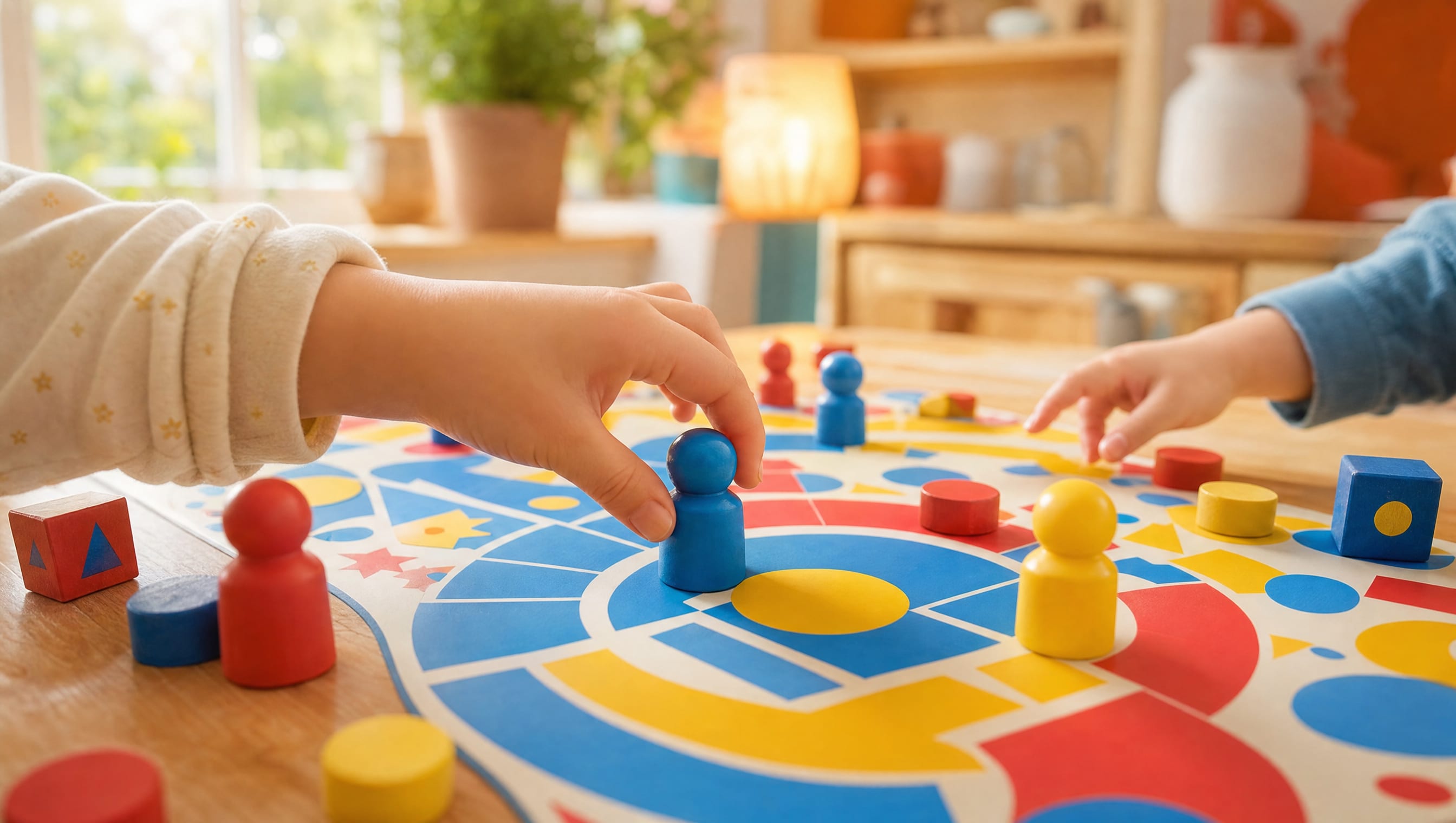
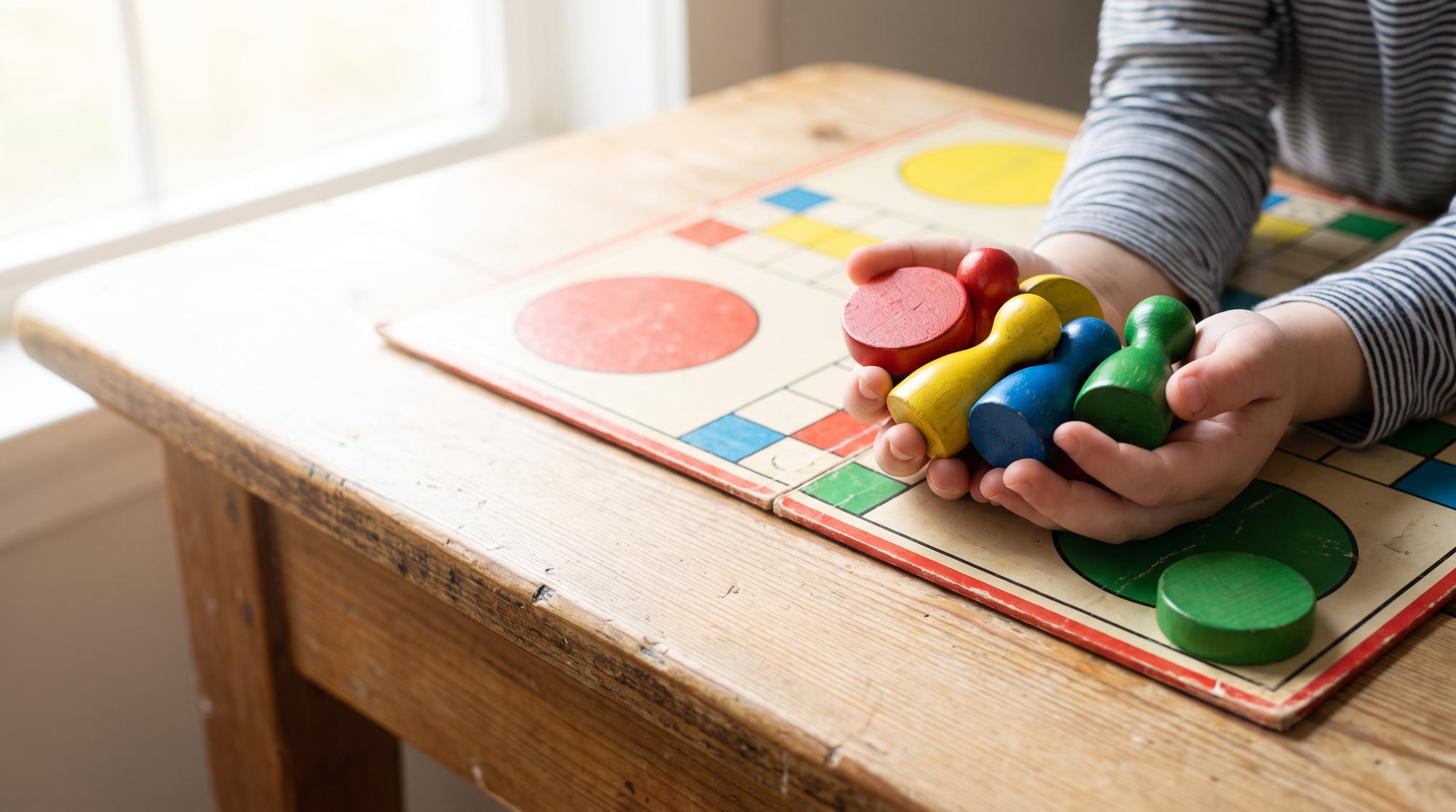
How to Pick a First Real Game for a Four-Year-Old
One decision a turn, a winner inside twenty minutes, and pieces big enough to survive being sat on.
★☆☆ · 5 MIN · BY POPPY
 How To: Gaming
THE HOW TO CO. — EDITION 10
How To: Gaming
THE HOW TO CO. — EDITION 10
SPACE 09 / 16 · CHAPTER 04 · FAMILY & KIDS
Every chapter in this region is a space on this board. This one is 09. Back to the board to roll for another.
DRAWN AT THE TABLE · ONE RUNG AT A TIME
Every game has a weight: roughly, how much you have to keep in your head between turns. Children climb that scale faster than the box suggests, but they climb it in order — one choice, then two choices, then a choice that costs something. Find the rung they are standing on and the next box picks itself.
TWO SPACES OFF THE TRACK
Grown-ups treat randomness as a flaw. At a family table it is the feature: it is the only mechanism that lets a child beat you honestly, without anybody softening a move. Pick the games where the dice do some of the arguing.
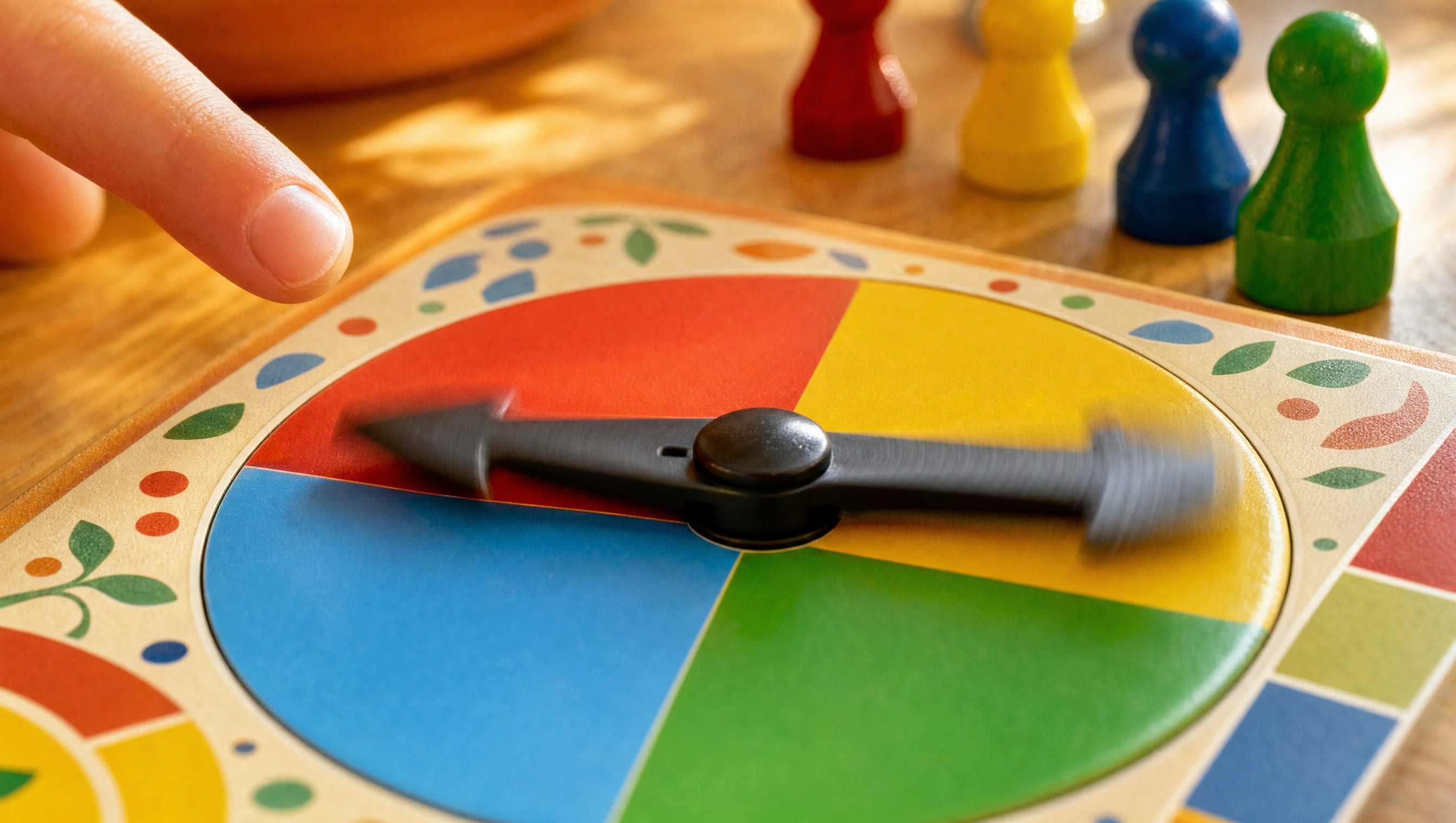 Nobody can be better at a wheel.
The five-year-old and the grown-up wait on exactly the same thing, and that is the whole point of the wheel.
NO SKILL FLOOR
Nobody can be better at a wheel.
The five-year-old and the grown-up wait on exactly the same thing, and that is the whole point of the wheel.
NO SKILL FLOOR
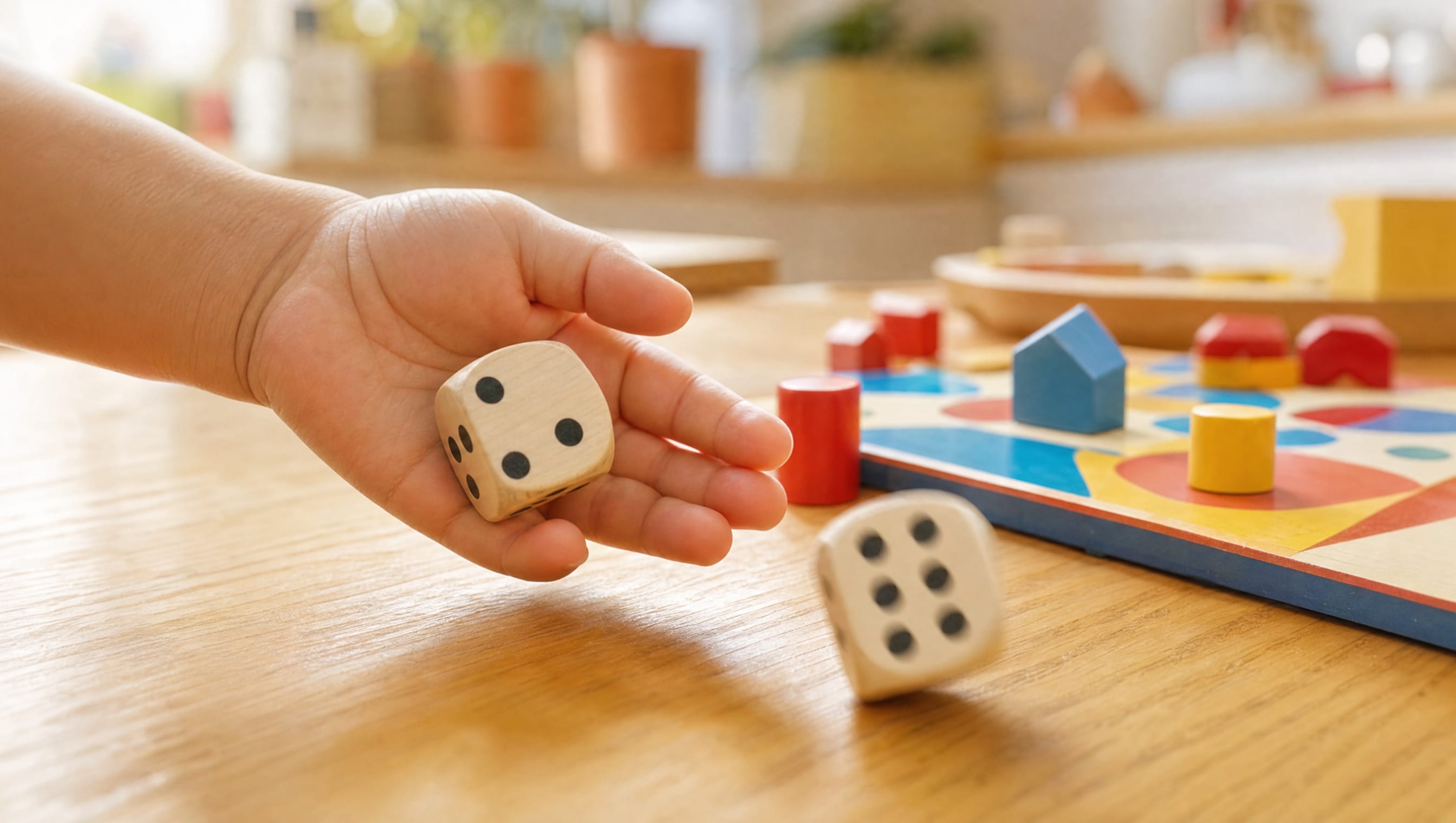 One roll is a coin flip.
Forty rolls are a skill test. A game that suits a young table keeps the number of rolls low on purpose.
KEEP THE COUNT LOW
One roll is a coin flip.
Forty rolls are a skill test. A game that suits a young table keeps the number of rolls low on purpose.
KEEP THE COUNT LOW
PRICE: 3 PATHS
This space prices at three paths. The first sorts boxes by the age genuinely sitting at the table. The second is the one nobody admits to out loud — games that teach counting, reading and losing well while everyone is busy enjoying themselves. The third is where most family tables actually live: the rules you made up, written down before anybody forgets them. All three are open, so every space on this track is one you can walk onto.
FROM THE CURATOR
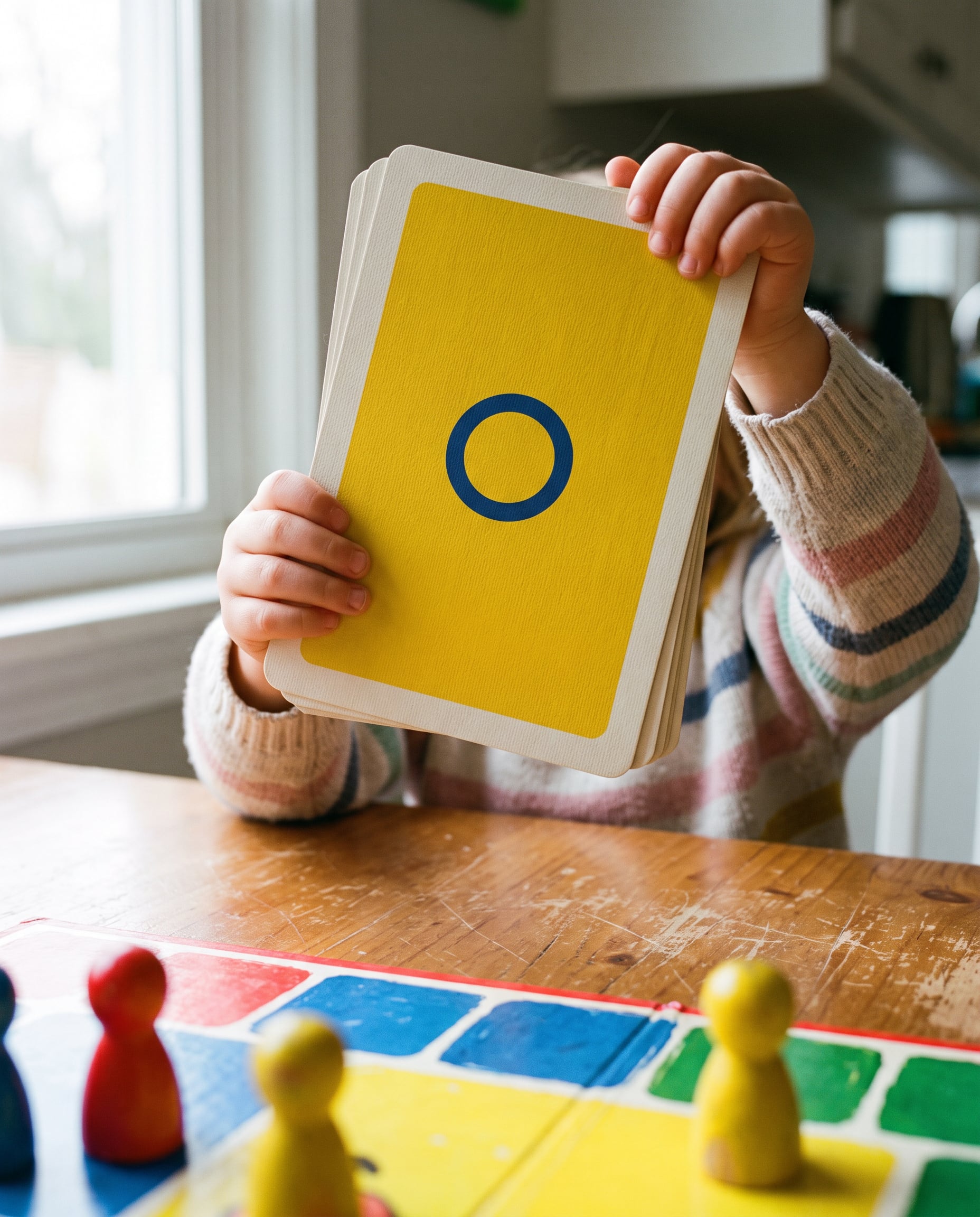
Throwing a game is the one thing children catch every single time, and it costs you the whole table when they do. The move is to play honestly and choose a game where the odds already lean their way — press-your-luck, memory, anything with a big swing on the dice. You lose on the merits, they win on the merits, and nobody has to pretend anything. Then you hand them the heavier box and watch them climb.
BY POPPY — CLASS: CURATOR · THEPINKPIPER.GG
5 PIECES · ON THE TABLE
Five pieces being written for this space. Titles are set; each one lands here as it is finished, so nothing above links to a page that does not exist yet.
01
One decision a turn, a winner inside twenty minutes, and pieces big enough to survive being sat on.
★☆☆ · 5 MIN · BY POPPY
02
Handicaps that read as rules rather than pity — starting resources, a shorter track, an extra card in hand.
★★☆ · 6 MIN · BY IRIS
03
Decide it before the round, not during. Then write it inside the lid where the next argument can find it.
★☆☆ · 4 MIN · BY POPPY
04
Teach the win condition first, play the first round face up, and cut the game short the moment it is understood.
★★☆ · 6 MIN · BY IRIS
05
Reading the table for the point where fun turns into endurance, and the graceful ways to stop the clock there.
★☆☆ · 4 MIN · BY POPPY